
Practical AI Training in Nepal
AI Training, Workshops and Consulting in Nepal
Practical AI training for professionals, teams, colleges and institutions that want to use artificial intelligence more effectively in real work, learning and business.
Programs can cover prompting, ChatGPT, Claude, Gemini, research, professional communication, productivity, content creation, automation and responsible AI use. Training is adapted to the audience, goals and available time rather than built around a fixed list of tools.
AI Training for Professionals, Teams and Colleges
Choose the training route that best matches your audience, goals and practical needs.
AI Training for Professionals
Practical training for professionals who want to improve research, communication, reporting, productivity and everyday knowledge work using AI.
- AI productivity and workflows
- Research and information analysis
- Reports and professional communication
- Prompting and reusable AI methods
Corporate AI Training for Teams
Customized AI training for teams and departments focused on practical workplace use cases, productivity, responsible adoption and role-specific workflows.
- Business and department use cases
- Workplace productivity
- Responsible AI and data awareness
- Team workflows and adoption
AI Training for Colleges & Students
Hands-on AI workshops designed to help students understand responsible AI use while developing practical skills for learning, research, creativity and future work.
- AI literacy and responsible use
- Research and academic workflows
- Prompting and practical exercises
- Career-ready AI skills
What Participants Learn to Do
The objective is not simply to demonstrate AI tools. Participants learn practical approaches they can adapt to their own studies, roles and workflows.
Work Smarter with AI
Identify tasks where AI can support productivity without replacing human judgement.
Prompt More Effectively
Give AI clearer context, instructions, constraints and examples to improve results.
Research and Verify
Use AI to explore information while checking sources, claims and important details.
Create Better Content
Support writing, presentations, visuals, communication and creative workflows.
Improve Workflows
Find repetitive processes where AI or automation can reduce unnecessary manual work.
Use AI Responsibly
Understand accuracy, privacy, verification and appropriate handling of sensitive information.
AI Training Areas
Topics are selected according to the audience and learning goals. A program may combine several areas rather than treating every topic as a separate course.
More Ways I Can Help
Training is one part of practical AI adoption. I also support businesses and institutions that need help deciding where AI fits, improving search visibility or building stronger AI-assisted content workflows.
AI Consulting for Businesses
Understand where AI can genuinely help your organisation, identify current workflow bottlenecks and build a realistic path from experimentation to practical adoption.
- Current workflow and productivity bottlenecks
- Practical AI opportunities across teams
- Feasible automation opportunities
- AI tool and workflow selection
- Responsible adoption considerations
SEO and AI Search Visibility
Improve how your website and business are understood and discovered across traditional search engines and AI-powered search experiences.
- Technical and on-page SEO
- Website and entity clarity
- Content structure and search intent
- AI search and GEO readiness
- Authority and citation signals
AI Content Creation Training
Practical training for students, creators and teams that want to use AI for research, writing, visual design, video, audio and connected content workflows.
- Content research and planning
- Writing and storytelling
- Images, video and audio
- Creative workflow design
- Responsible content production
Looking for something different? Explore all services →
How the Training Is Designed
A useful AI session starts with the audience and the problem to solve, not with a predefined list of tools.
Understand
Identify participant roles, experience and real challenges.
Define
Agree on practical learning outcomes and priorities.
Customize
Select relevant examples, tools, exercises and workflows.
Practice
Combine explanation, live demonstrations and hands-on work.
Apply
Connect the learning to tasks participants can continue using.
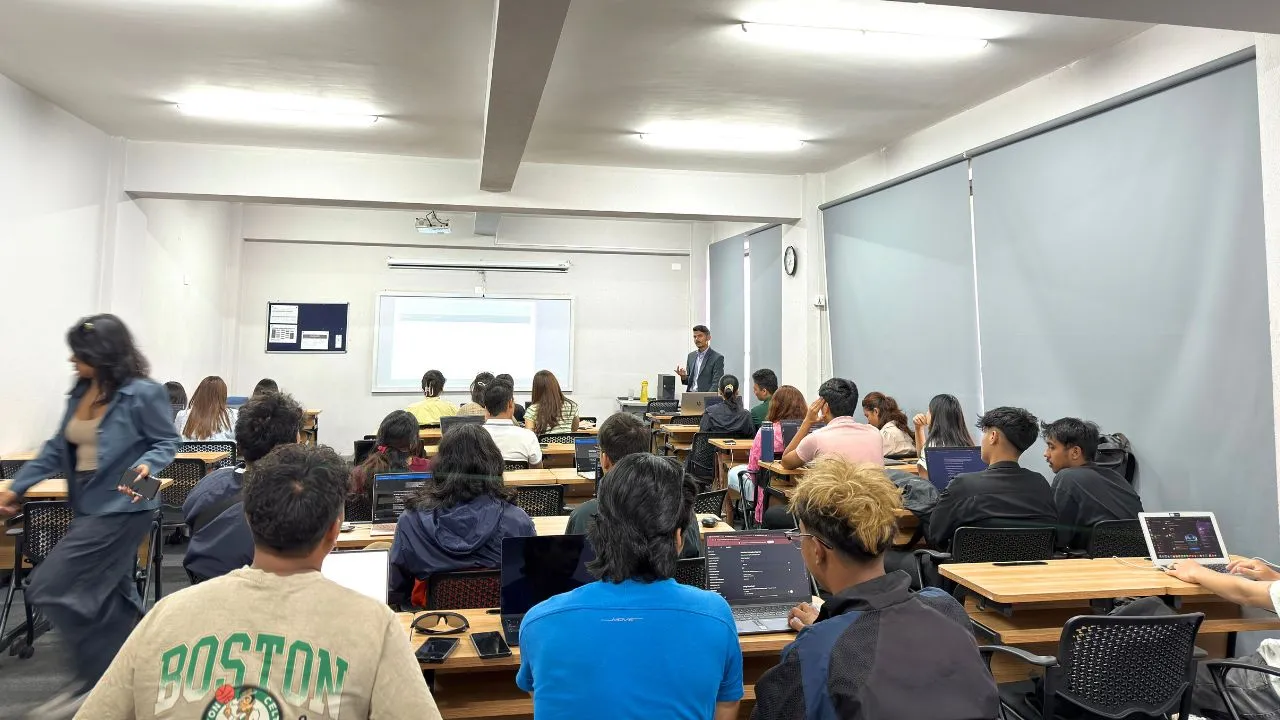
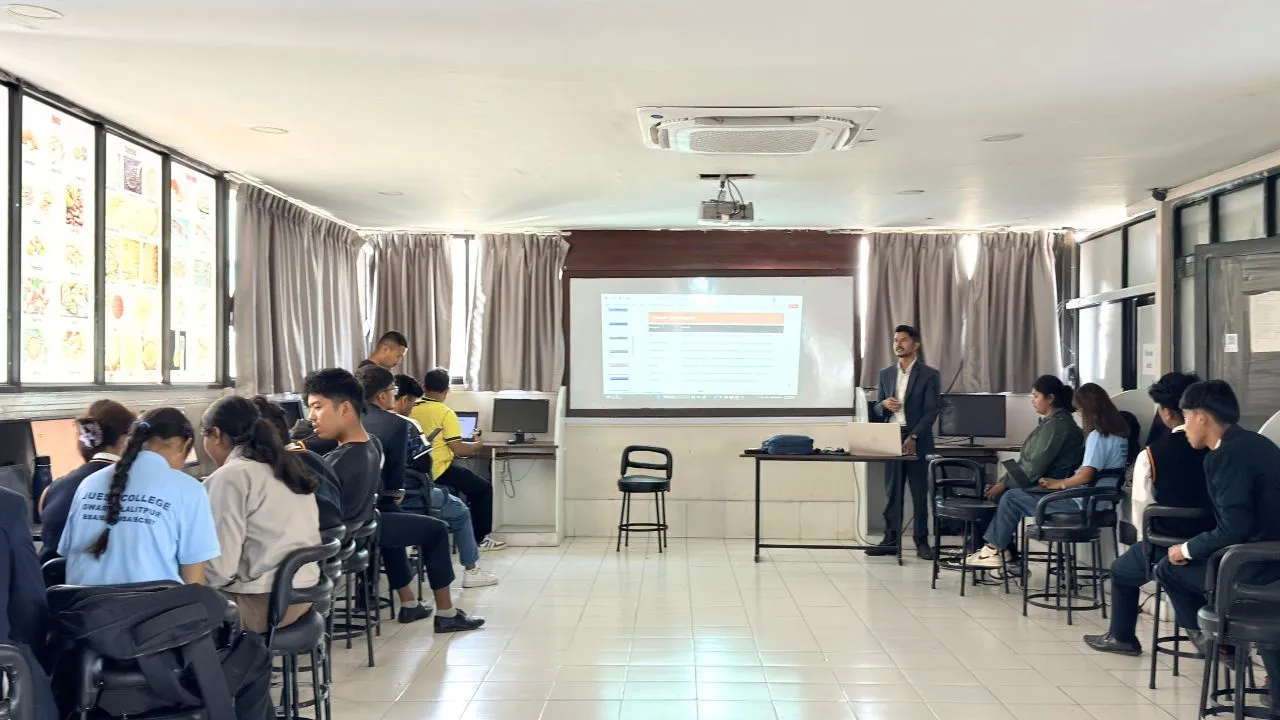
Learning by doing
Practical AI Learning Built Around Real Tasks
My sessions focus on applying AI to realistic learning and workplace tasks rather than simply demonstrating features. Participants are encouraged to experiment, question outputs and understand where AI is useful and where human judgement remains essential.
- Examples relevant to the audience
- Live demonstrations and practical exercises
- Clear explanations for non-technical participants
- Accuracy, verification and responsible AI use
- Focus on transferable skills rather than one specific tool
Planning an AI Training Program?
Share your audience, current AI experience, learning goals, preferred format and available time. We can identify a practical training approach that fits your team, institution or group.
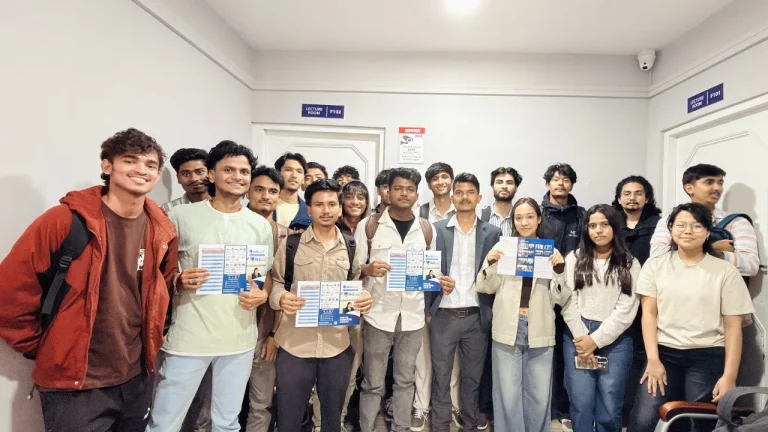
Recent AI Training & Workshop Sessions
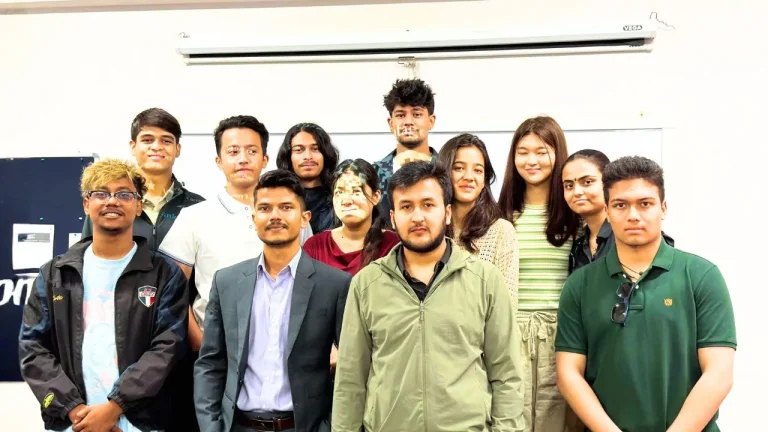
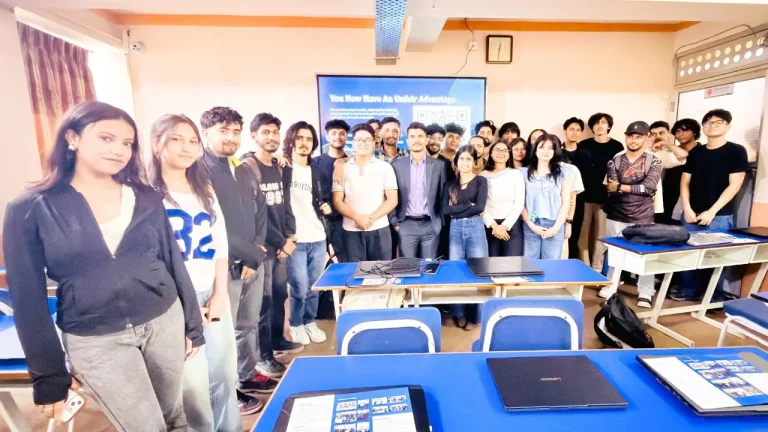
Explore examples of practical AI sessions delivered for students, professionals, educators and institutions. These workshop stories show the audiences, topics, activities and learning approaches used in different programs.
Questions About AI Training and Workshops
Practical answers for organisations, colleges and professionals considering an AI training program.
Who is the AI training designed for?
Training can be designed for professionals, corporate teams, students, educators, colleges, institutions and other groups that want to use AI more effectively. The content and exercises depend on the audience. A student program may emphasize learning, research and career-ready AI skills, while a workplace session may focus more on productivity, communication, reporting, analysis or recurring business workflows.
Can the training be customized for our organisation or college?
Yes. Training can be adapted around participant roles, existing AI experience, learning goals, available time and relevant tasks. Before the session, we can discuss what participants currently do, where they face challenges and what they should be able to understand or perform after the training.
What topics can be covered?
Depending on the program, topics may include generative AI foundations, prompt engineering, ChatGPT, Claude, Gemini, AI-assisted research, professional communication, reports, productivity, content creation, data interpretation, no-code automation and responsible AI use. The exact combination depends on the audience and objectives.
Do participants need coding skills or previous AI experience?
No coding experience is required for most practical AI training programs. Beginner sessions can start with AI fundamentals, prompting, verification and everyday use cases. More advanced programs can explore automation or more complex workflows where appropriate. The starting level is adjusted to the participants rather than assuming everyone has the same experience.
What does a typical training session include?
Sessions usually combine clear explanations, live demonstrations, guided exercises, discussion and practical application. Depending on the format, participants may work individually or in groups on tasks related to research, writing, analysis, content creation, planning or workplace workflows.
Which AI tools are used during training?
Tools are selected according to the tasks and learning objectives rather than simply their popularity. Sessions may use platforms such as ChatGPT, Claude and Gemini, alongside relevant research, productivity, content or automation tools. Any account or paid-access requirements can be confirmed before the session.
Do you cover privacy, accuracy and responsible AI use?
Yes. Responsible use is an important part of practical AI training. Participants are encouraged to verify important information, question AI-generated outputs, use original sources where necessary and avoid entering confidential or sensitive information into tools that are not approved for that data.
Is AI training available outside Kathmandu or online?
Training can be discussed for organisations and institutions in Kathmandu, elsewhere in Nepal, or online depending on the program, location and availability. Share your preferred location, dates, audience size and format through the contact page so the appropriate arrangement can be discussed.
How much does an AI training program cost?
There is no single price for every program because requirements vary. Scope depends on factors such as training duration, audience, participant count, preparation, customization, location and delivery format. Share your requirements through the contact page so the appropriate scope can be discussed before any commitment.
How do we get started?
Visit the contact page and share your organisation or institution, audience, approximate participant count, preferred topics, current AI experience, location and possible dates. These details make it easier to recommend a suitable training approach.
What Would You Like Your Team to Learn?
Tell me about your audience, current AI experience and the tasks you want to improve. We can discuss a practical training format and topics that fit your goals.