What I Shared at SAIM College About Communication, Confidence and AI
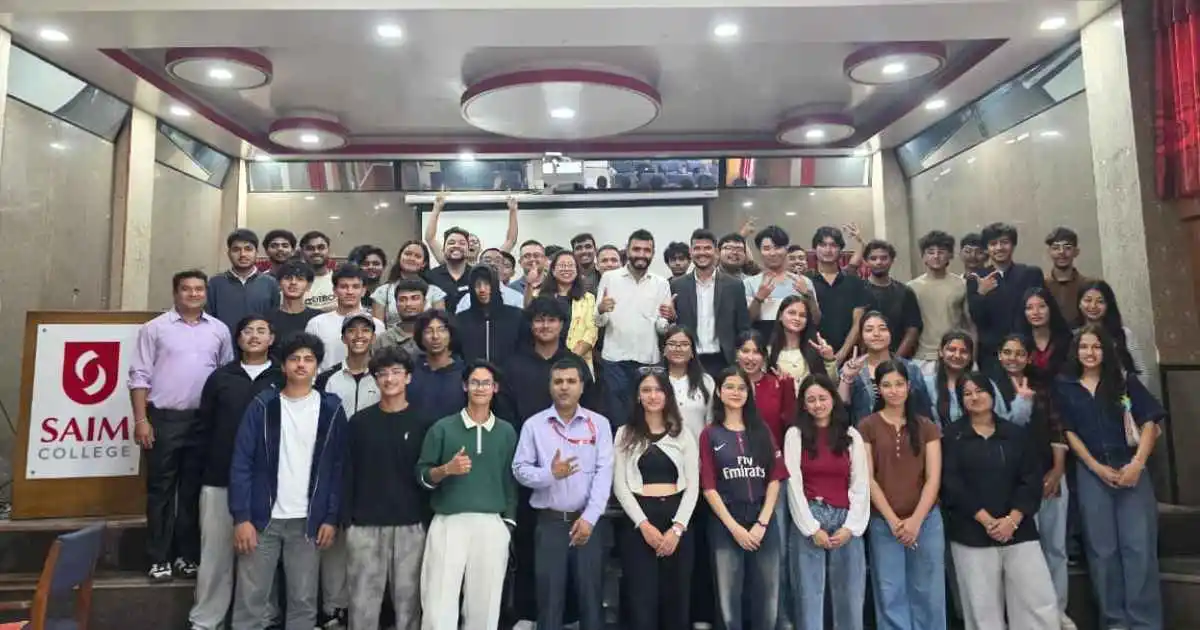
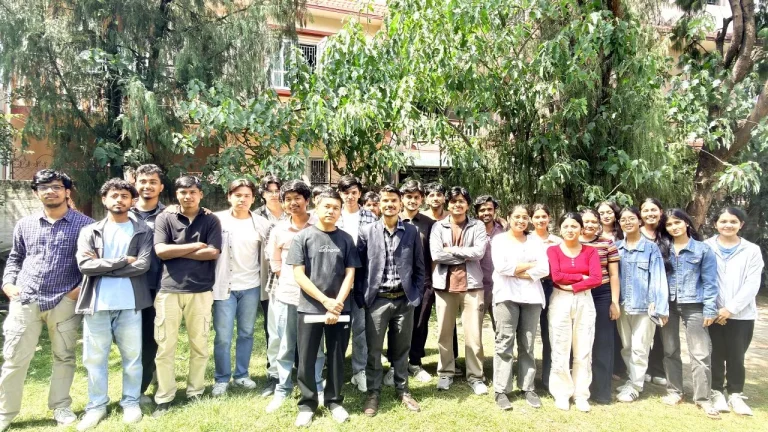
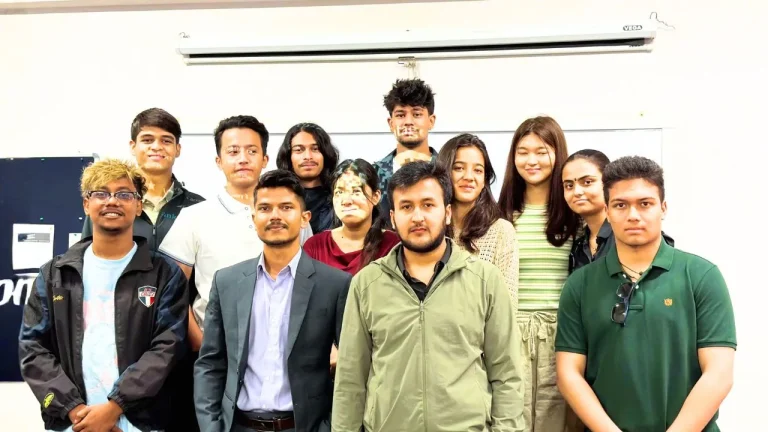
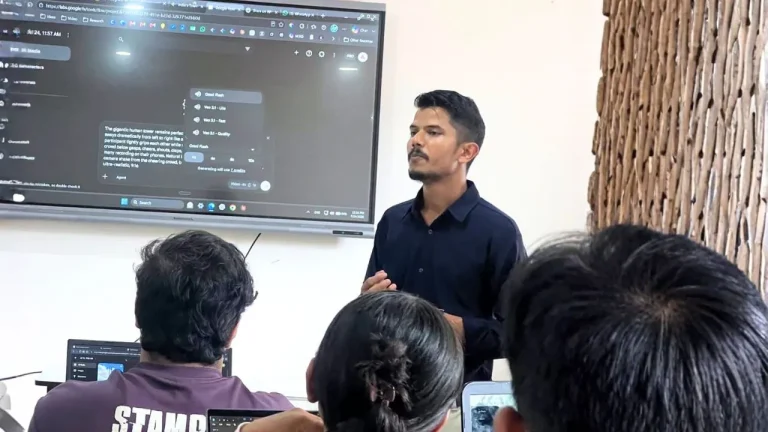
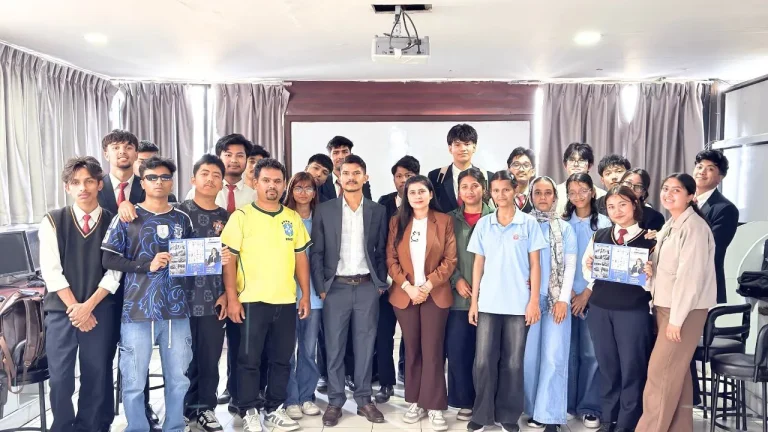
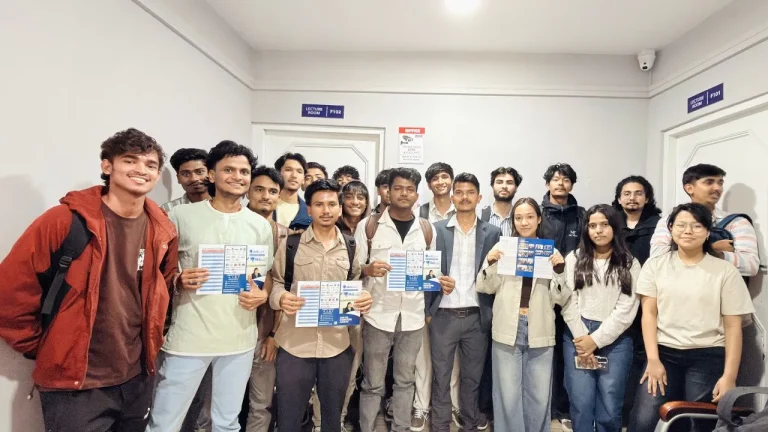
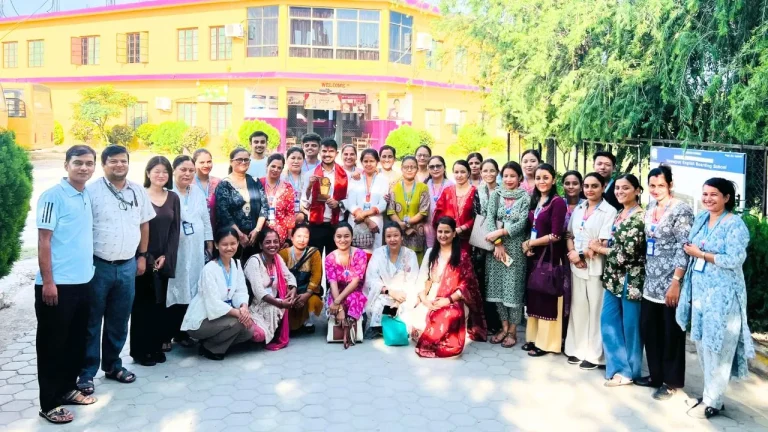
On October 4, 2026, I joined the induction programme for BBA and BCSIT students at SAIM College in Kathmandu as an experience-sharing speaker, invited by SAIM Toastmasters Club.
I shared my journey from an introverted young man growing up in a village to an AI educator helping thousands of learners in Nepal explore digital skills and practical AI adoption. It was an opportunity to reflect on the conversations, relationships and responsibilities that helped me along the way.
One message connected the different parts of my story: learning to communicate clearly helps us share what we know, ask for guidance and contribute more effectively to others.
From an Introvert to an AI Educator in Nepal
Growing up, I was an introvert. Speaking confidently in front of a room was a skill I had to develop through practice and experience.
As I became involved in digital education and AI adoption, I found myself explaining unfamiliar ideas, answering questions and helping people understand how technology could fit into their lives and work. Having knowledge was one part of the responsibility. Communicating it in a way people could understand and use was another.
Toastmasters became an important part of that journey. It gave me opportunities to practise expressing my ideas, listen to different perspectives and learn from people with experiences beyond my own.
Today, those habits remain relevant to my work as an AI educator and corporate AI trainer. Before explaining a tool or workflow, I need to understand the audience: what they already know, what they want to accomplish and what makes the topic difficult for them.
You can read more about my background in AI education, business and practical technology adoption.
What I Shared with BBA and BCSIT Students at SAIM College
Students beginning their BBA and BCSIT programmes will encounter many situations where communication matters: presenting a project, participating in a team, attending an interview, explaining a business idea or asking someone for guidance.
During the session, I connected these situations with my own experience in Toastmasters. I shared how speaking practice, listening and conversations after meetings helped me develop confidence and build meaningful relationships.
I wanted students to see the value of participating actively in a community. A meeting can give you a place to practise a speech, discover a new field and meet someone whose experience helps you make a better decision.
My Most Useful Toastmasters Networking Habit: Listen First
One habit I shared with the students begins during the introductions.
I listen carefully when people explain who they are, what they do and what they are working on. If someone mentions a field that interests me, I make a point of speaking with them after the meeting.
I ask about their journey, the choices they made and what they have learned. When appropriate, I ask whether they would be open to offering guidance on a specific question.
Over time, these conversations helped me build relationships with people from different professional backgrounds. They became people I could learn from, exchange ideas with and sometimes approach for advice.
This also influenced how I mentor others. When someone needs guidance outside my experience, I can sometimes connect them with a person better placed to help, with both people’s agreement.
That is one of the most valuable parts of a community: knowledge and support can move between people, instead of depending on one person having every answer.
A Simple Approach Students Can Try
- Pay attention during introductions. Notice a genuine connection between someone’s experience and something you want to learn.
- Ask a specific question afterwards. Refer to something they shared rather than making a vague request for help.
- Start with a small request. A useful resource or perspective is often a better starting point than immediately asking for ongoing mentorship.
- Apply the advice. When appropriate, follow up with what you tried and what you learned.
- Look for ways to contribute. Share relevant information, offer help within your ability or make an introduction with permission.
These relationships take time. Curiosity, follow-through and respect for other people’s time have mattered more to me than collecting contacts.

How Trust and Responsibility Helped Me Grow
I am grateful to Ankush Adhikari for believing in me and entrusting me with the public relations responsibility for Area C3, Division C, District 41, during 2025–2026.
That responsibility gave me opportunities to practise communication beyond the meeting room. During that period, I wrote articles that were published in Nepali newspapers, gaining experience in developing ideas and sharing them with a wider audience.
I now serve as Division C PR Manager, District 41, for 2026–2027. These experiences continue to teach me about communication, responsibility and contributing to a community.
Looking back, being trusted with a responsibility mattered. It gave me a reason to take action, develop my skills and learn through doing.
How to Improve Communication Skills Through Small Steps
For students wondering how to improve communication skills, my suggestion is to begin with a task you can repeat.
Choose something practical: introducing yourself, explaining your college project, answering an interview question or summarising an idea in one minute.
Then ask a listener a simple question: “What did you understand as my main point?” Their answer can reveal whether your message was clear or whether an important part needs a better explanation.
For someone who feels uncomfortable speaking in a group, the first step can be smaller. Ask one prepared question during a meeting. Introduce yourself to one person afterwards. Volunteer for a manageable responsibility.
You can develop communication skills while remaining thoughtful and reflective. My own experience has shown me the value of consistent participation and being willing to try again.
Connecting Communication with AI Voice Practice
At SAIM, I also discussed how technology can support communication practice, including the use of AI voice conversations.
This connects with my work in practical AI education. A useful starting point is to choose a real communication task, practise it with an appropriate tool and review the result carefully.
For example, a student could use a voice-enabled AI tool to rehearse explaining a project. The tool can play the role of an interested listener and ask follow-up questions.
Here is a practice instruction students can adapt:
I am practising a one-minute introduction to my college project. Listen to my explanation, then ask me two follow-up questions, one at a time. After I answer, tell me what you understood and identify one part I could explain more clearly.
This is an exercise readers can try to apply the ideas discussed here. Use a fictional or non-sensitive example, review the feedback critically and combine the exercise with practice involving real listeners. AI feedback can be mistaken, and a simulated conversation cannot fully capture how a live audience responds.
My AI training programmes in Nepal follow a similar approach: start with a useful task, practise with relevant examples and learn how to evaluate the output.
Building Tools to Support Toastmasters Meetings
My interest in communication and technology has also led me to build Toastmasters meeting tools.
The platform brings together meeting agendas, check-in, timing and voting through club meeting pages. There is also a standalone Toastmasters meeting timer for speeches, evaluations and meeting roles.
These meeting functions are separate from AI voice practice. They reflect another part of practical technology adoption: identifying a recurring task in a community and building something useful around it.
For me, participating in a community creates opportunities to learn, teach and contribute through the skills I already have.
Thank You to SAIM College and SAIM Toastmasters Club
Thank you to the entire SAIM College team and the SAIM Toastmasters Club family for inviting me to share my journey with the students.
I appreciated the opportunity to reflect on the people and experiences that helped me grow, and to share lessons that students can begin applying in their own lives.
At your next meeting, try one small action: listen carefully to the introductions and continue one thoughtful conversation afterwards. Ask a useful question, follow through on what you learn and look for an opportunity to contribute.
If your college or organisation is exploring a session on practical AI adoption and communication, you can contact me to discuss your audience and learning goals.
Frequently Asked Questions
Can Toastmasters help introverted students?
In my experience, Toastmasters provided opportunities to practise expressing ideas, listen to others and build relationships. An introverted student can begin with a small contribution and gradually take on more responsibility. Each person’s experience and pace will differ.
How can students build connections at Toastmasters?
Listen during introductions, identify a genuine shared interest and ask a relevant question after the meeting. Keep your first request small, respect the person’s time and follow through on useful advice.
How can AI help with communication practice?
A voice-enabled AI tool can support rehearsal conversations, such as explaining a project or answering practice interview questions. Review its feedback critically and combine it with feedback from real listeners.
Where can I explore the Toastmasters tools developed by Ravindra Yadav?
Visit the Toastmasters meeting tools page to explore club pages and tools for agendas, attendance, timing and voting.