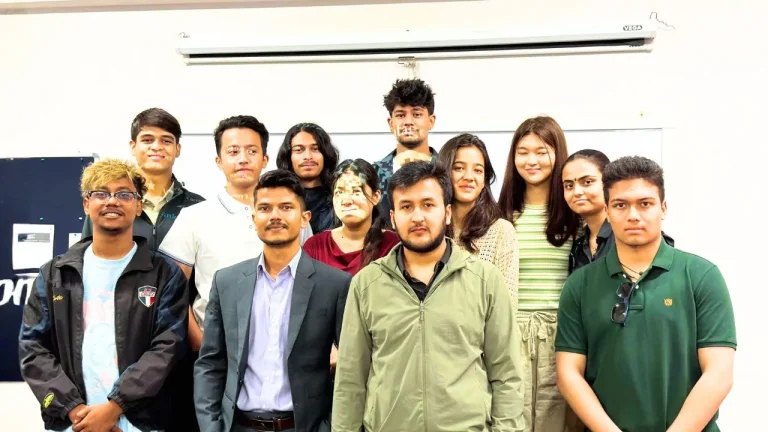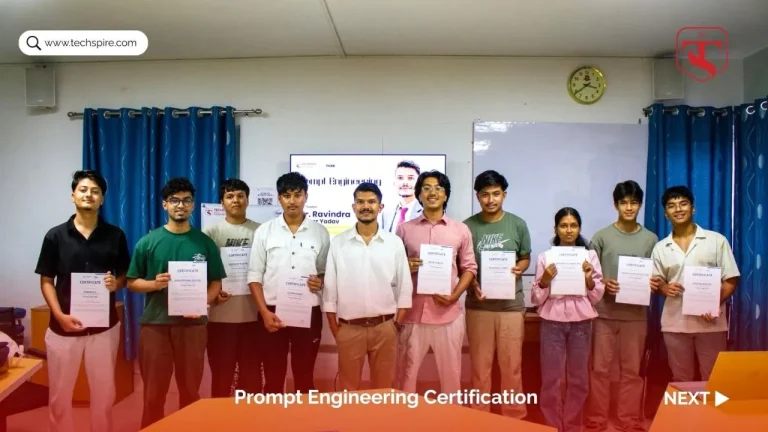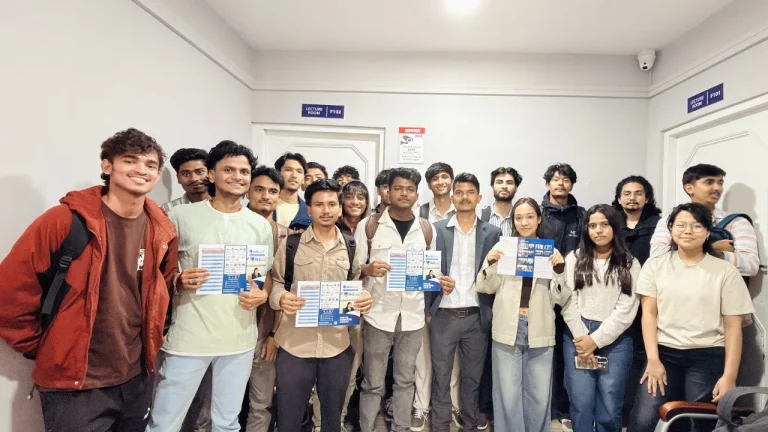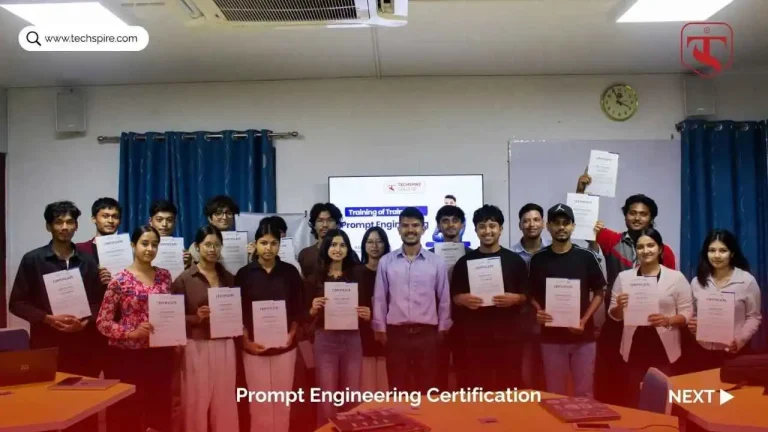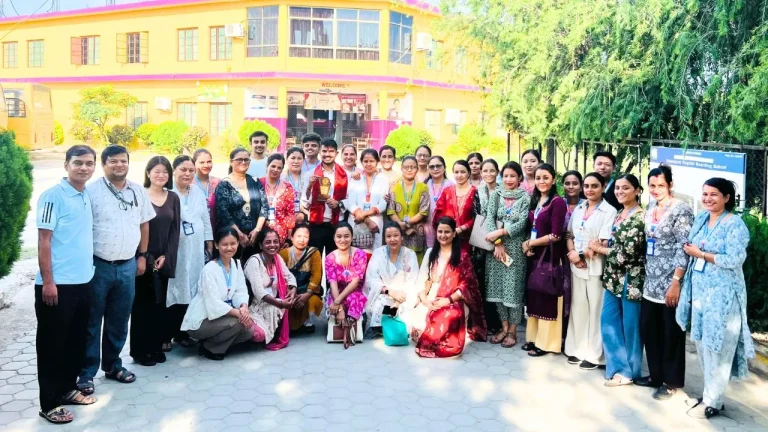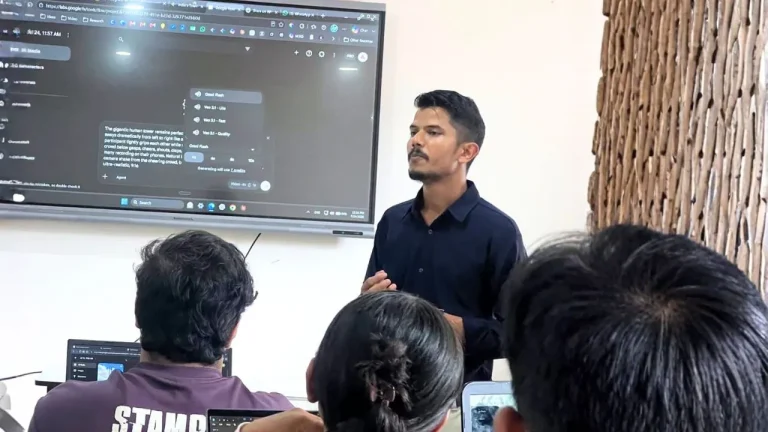
Generative AI Training for BE Computer Students at Sagarmatha Engineering College
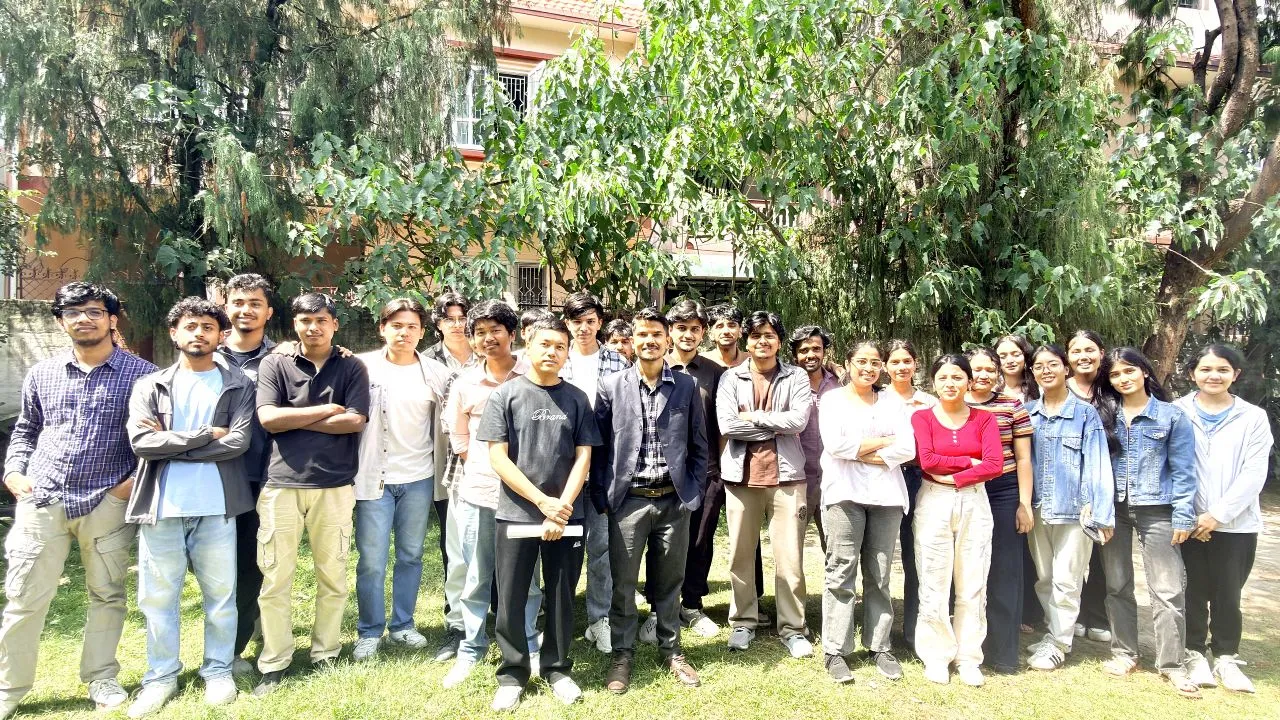
I began the session at Sagarmatha Engineering College by listening to how students approached AI from an engineering perspective. Their answers gave us a starting point for a discussion that went beyond simply knowing which tools were available.
The generative AI training brought together sixth-semester Bachelor of Computer Engineering students and college staff. We explored advanced prompting, productivity, AI-assisted presentations, tool recommendations, and automation using Claude. We also spent time on LinkedIn and personal branding.
Connecting prompting with practical work
Prompting frameworks formed an important part of the session. Alongside the techniques, we discussed how students could use generative AI for work that matters to them, including preparing presentations and approaching everyday tasks more efficiently.
Working with engineering students made it useful to consider AI from several perspectives. Knowing a tool exists is one thing; deciding how to use it for a particular task is another. The session gave us room to explore those choices through discussion and practical activity.
Exploring automation using Claude
We also explored automation using Claude, with students trying different applications during the session. This brought another dimension to the training: using AI as part of a process rather than treating every interaction as an isolated question.
A useful principle for anyone continuing this work is to start with a clearly defined task. Decide what information goes in, what the result should look like, and what needs checking. Automation is easier to assess when you know what a successful result means.
Making technical interests visible on LinkedIn
The session also covered personal branding, LinkedIn strategy, and writing a professional bio. This was a chance to connect students’ technical interests with how they introduce themselves and present their work.
My advice to students developing their profiles is to be specific and honest. Describe what you are learning, explain projects you have actually worked on, and avoid listing skills you cannot yet demonstrate. A clear account of a small piece of work is more useful than a profile full of broad claims.
Session reference and acknowledgements
Thank you to Amit Khanal and Deepak Kumar Singh for their cooperation and support in coordinating the session.
View the Sagarmatha session post on Facebook.
Session held: June 2026.
You can read more AI workshop stories or explore my training services. To discuss a session for your college, get in touch.