Advanced Prompt Engineering and AI Productivity 2.0 at Techspire College
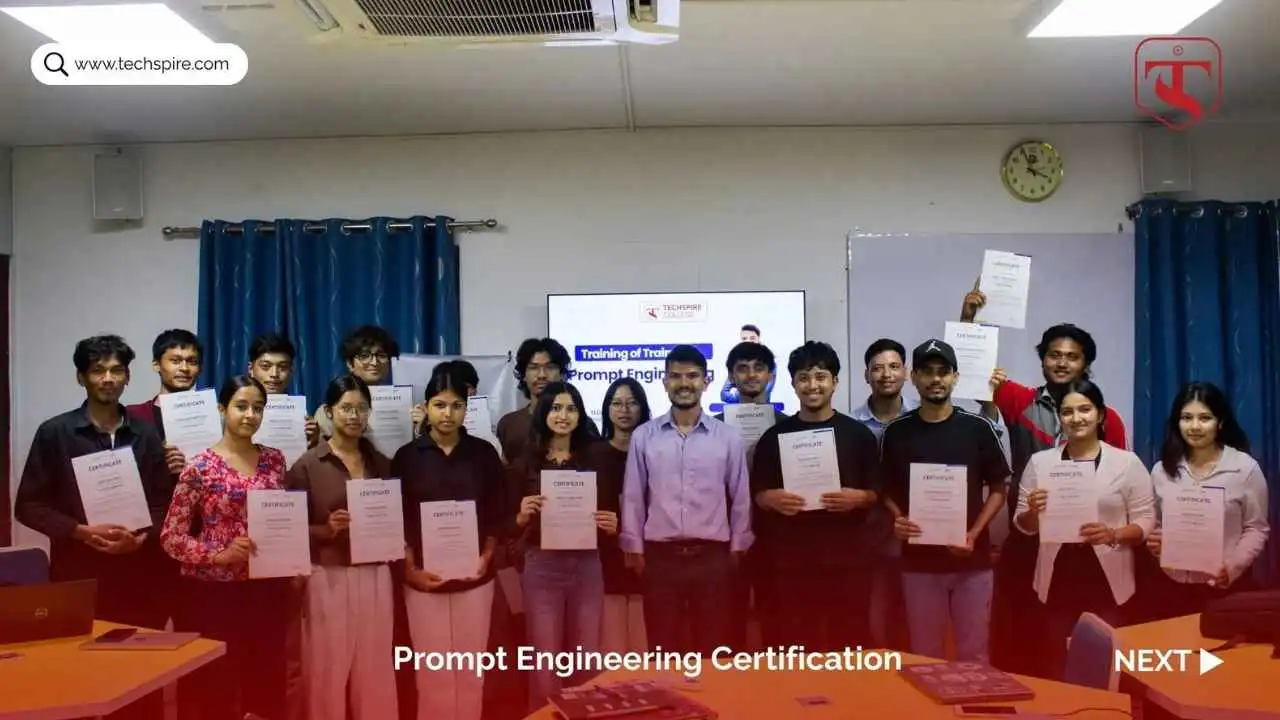
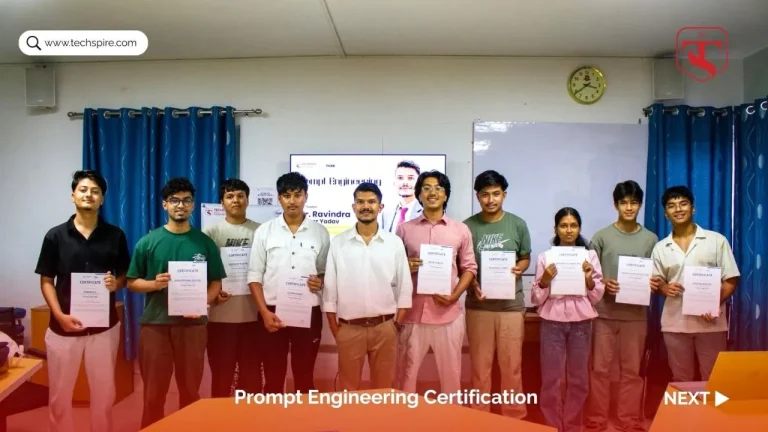
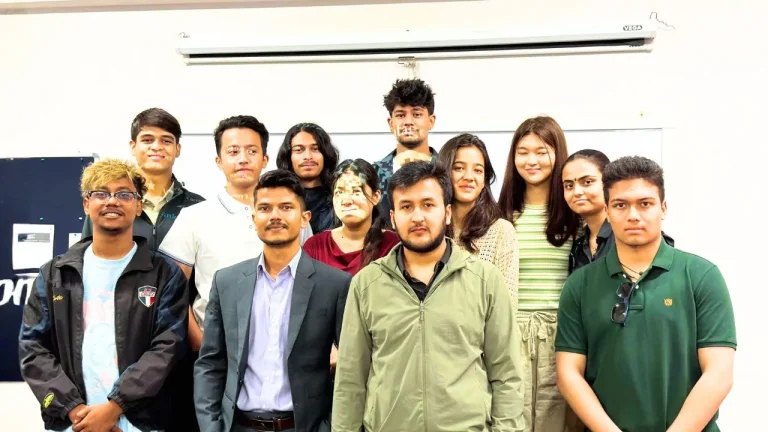
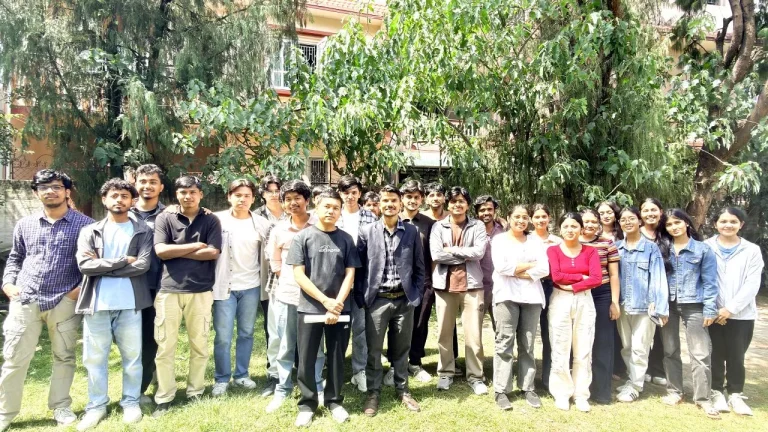
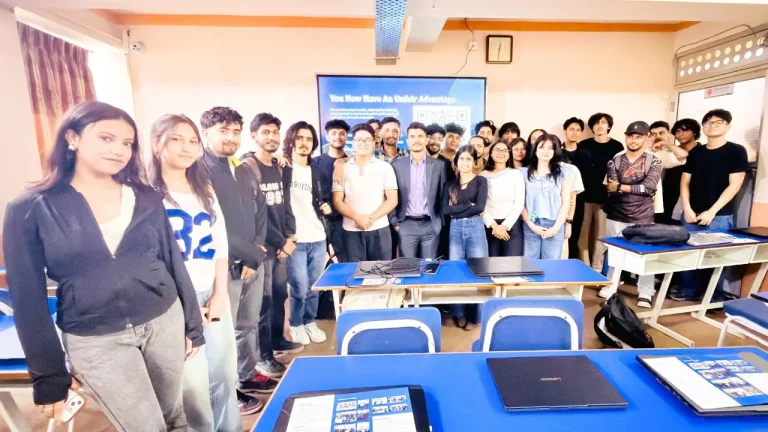
In late July 2026, I had the opportunity to facilitate a two-day Advanced Prompt Engineering and AI Productivity 2.0 program for around 20 BSc (Hons) IT students at Techspire College, New Baneshwor, Kathmandu.
The program was organized by Techspire College and ThinkLab, with a clear objective: help students move beyond basic use of Generative AI and develop the ability to work with AI more intentionally, productively and responsibly.
This was not an introductory session on what Artificial Intelligence is or a demonstration of a long list of AI tools. The larger question I wanted students to explore was: How can we use AI as a practical capability while studying, building projects and preparing for a rapidly changing technology market?
Moving Beyond Basic Prompting
Many students already interact with tools such as ChatGPT, Claude and other Generative AI platforms. But using an AI tool and using it effectively are two very different things.
During the program, we explored advanced prompting techniques and looked at how the quality of an AI response changes when the user improves the context, instructions, constraints and expected output. Instead of memorizing one universal prompt formula, students were encouraged to understand the thinking behind effective prompting and apply that thinking to different problems.
One of the practical activities involved comparing weaker prompts with improved versions and observing how seemingly small changes in instruction could significantly affect the usefulness of the result.
Students also tested similar tasks across different AI tools. This was important because AI fluency should not mean becoming dependent on one platform. Different systems can behave differently, and understanding those differences helps students choose tools more intentionally.
Different Students, Different AI Workflows
One thing I wanted to avoid was teaching every student exactly the same workflow regardless of their interests.
The participants were divided into groups based on areas they were interested in exploring. Students interested in marketing and content creation worked around AI-assisted creative workflows. Those interested in development explored how AI-assisted development tools are changing coding workflows and how automation can support repetitive technical tasks.
We also explored practical approaches to creating presentations with AI. The discussion was not simply about asking an AI tool to generate slides. We looked at the wider workflow of structuring information, improving presentation quality and thinking more intentionally about how information should be communicated visually.
Claude was one of the platforms we worked with more closely during the sessions, alongside other AI tools. The goal, however, was not to turn the workshop into product training. Tools will continue to change. The more durable skill is understanding how to evaluate capabilities and apply them to a real task.
Learning Through Live Demonstration and Practice
The two days were highly practical. Students wrote prompts themselves, compared results, exchanged approaches within their teams and worked through project-based activities.
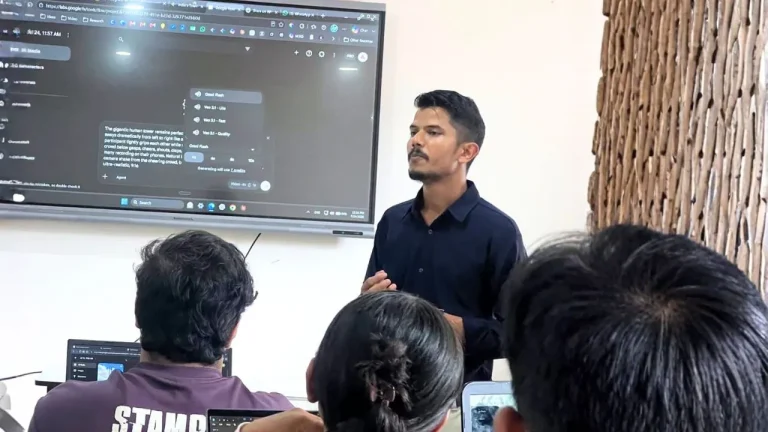
I demonstrated techniques live rather than presenting only finished examples. When an output was weak, we examined why. When another approach produced a better result, we looked at what changed. This made the workshop less about copying prompts and more about developing the ability to diagnose and improve an AI interaction.
That distinction matters to me. As AI systems become more capable, the long-term advantage will not come from collecting hundreds of prompts. It will come from being able to define a problem clearly, provide useful context, evaluate an output and improve the workflow when necessary.
What Stood Out to Me About the Students
One of my strongest observations from the program was the level of curiosity among the students.
They were not only interested in using Generative AI to complete academic tasks faster. Many were already exploring ideas, experimenting with technology and thinking about what they could build.
Some conversations naturally moved toward projects, products and potential startup ideas. In those moments, the role of AI became broader than productivity. It became a way to help students organize their thoughts, research possibilities, test ideas and move from an initial concept toward something more concrete.
For IT students especially, I believe this is an important shift. The question is no longer only whether they know how to use AI. It is whether they can combine their technical knowledge, domain interests and AI capabilities to solve meaningful problems.
AI fluency is not about knowing every AI tool. It is about developing the judgment to understand the task, choose an appropriate capability, evaluate the result and adapt as the technology changes.
AI Productivity Should Still Include Human Judgment
Productivity was an important part of the workshop, but faster output was never the only goal.
Students were encouraged to question generated information, compare results and think about whether an AI response was actually appropriate for the task. Responsible use becomes increasingly important as AI enters academic work, software development, research, content creation and professional decision-making.
This is also how I approach broader AI training and practical AI learning in Nepal: the objective is not simply to demonstrate what a model can generate, but to help people develop workflows where AI supports rather than replaces their own thinking.
From AI Productivity 2.0 to the Next Session
The response to the two-day program was encouraging. Students shared the experience with friends and other students who had not been part of the first group also expressed interest in joining a similar program.
That eventually led to an invitation to return to Techspire College for Advanced Prompt Engineering and AI Productivity 3.0 with another group of students.
The second edition created an opportunity not simply to repeat the first workshop, but to update the learning around newer AI capabilities and place greater emphasis on responsible AI use.
A group and certification photo from the program was also shared on Facebook.
A Broader Goal: Building Practical AI Fluency
Workshops like this reinforce something I continue to see across education and professional environments: AI literacy needs to move beyond awareness.
Students should understand not only how to generate an answer, but how to work with AI across research, creation, development, communication and problem-solving while maintaining human judgment.
As the technology continues to evolve, the specific tools will change. The more important capability is learning how to adapt.
If you are exploring practical AI learning for students, professionals or teams, you can explore my AI training and workshop work, view current training and consulting services, or learn more about my work in applied AI education and adoption.