AI Training for Teachers in Nepal | Ujyalo Yatra Academ
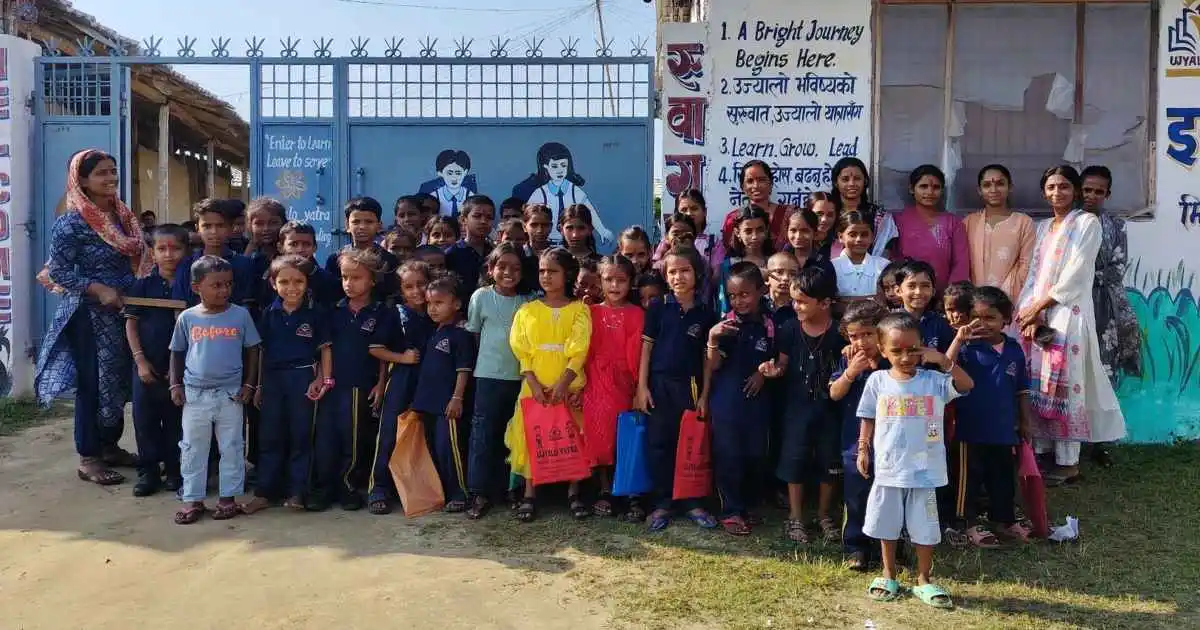
AI training for teachers in Nepal should help educators prepare useful lessons, choose relevant digital resources, and review AI-generated material with confidence. My visit to Ujyalo Yatra Academy in Thera, Dhanusha, brought those priorities together with a personal reminder of why this work matters to me.
As the children were leaving the hall after the annual day programme, some smiled, said goodbye, and stopped to ask me a question:
“Sir, are you the new teacher of this school?”
They also told me that I had guided them well. It was a small exchange, but it stayed with me. I had come to Ujyalo Yatra Academy to facilitate a teacher development workshop and join its first anniversary and annual day celebration. By the time the children were leaving, I had another reason to think carefully about the work I was there to do.
Born in Madhesh myself, I feel a personal connection whenever I visit the region. The children’s smiles, curiosity, and creativity made this visit especially meaningful. Spending time with them reminded me why I care about education and why supporting teachers is such an important part of my work in practical AI adoption.
My visit to the school in Thera, Dhanusha, brought together two experiences: celebrating what children were sharing on stage and working with the teachers who support their learning every day.
From Annual Day to Everyday Learning at Ujyalo Yatra Academy
Ujyalo Yatra Academy’s 1st Anniversary & Annual Day 2026 was an opportunity to celebrate the school’s first year through its students and teaching team.
Principal Pinky Yadav welcomed everyone and extended wishes for Dashain 2083. Students from different classes delivered speeches, sang, and took part in group dances, individual performances, and cultural presentations. Their teachers had helped prepare them for these activities, bringing time, guidance, and care to the programme.
I enjoyed seeing the children express themselves in different ways. A speech, a song, and a group performance each create opportunities for participation. They also give educators something to pay attention to: how children follow guidance, communicate an idea, and take part alongside others.
Poonam Ma’am delivered the closing remarks for the student programme. After the children were dismissed, the focus shifted to the teaching team and our workshop, “Smart Teaching with Digital & AI Tools,” held on 16 October 2026.
What I Was Paying Attention to as an Educator
Throughout the celebration, I was interested in the communication around the performances as well as the performances themselves. I spent time guiding students and supporting the activities, while paying attention to how explanations and encouragement could be made easier for young children to understand.
There is a practical question behind that interest: how can we communicate something in a way that helps a child respond with understanding?
I kept thinking about the choices an educator makes. How much should we explain at once? Would showing an action make the instruction clearer? How can we give a child time to respond? What might help someone who is interested but hesitant to participate?
These are questions I continue to explore. Watching a school event can prompt useful reflections, although it cannot tell us everything about children’s learning or everyday classroom practice.
My own learning about effective communication and active listening has made me more attentive to the person receiving an explanation. Working with children brings that responsibility into sharp focus. The words, pace, examples, and guidance all need to make sense to them.
Supporting Teacher Development and Digital Learning in Nepal
My relationship with Ujyalo Yatra Academy includes my role as its AI Curriculum & Digital Learning Advisor. I work with teachers and school management on practical ways to support teaching, learning materials, curriculum planning, and responsible technology use.
Being present during the annual day gave me an opportunity to spend time with the people those decisions are intended to serve. It also reinforced the importance of understanding the school’s context before recommending a resource or a teaching approach.
For me, useful support begins with questions about learning: what should children understand, what could help them practise, and how will the teacher know whether an explanation has worked?
Those questions help give digital learning a purpose. A resource becomes useful when a teacher can connect it to a learning goal and adapt it to the children in front of them.
AI Workshop for Teachers: Digital Tools and Lesson Planning
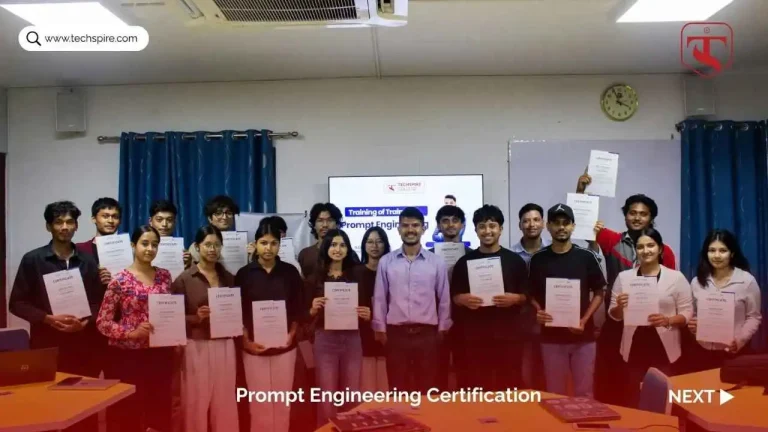
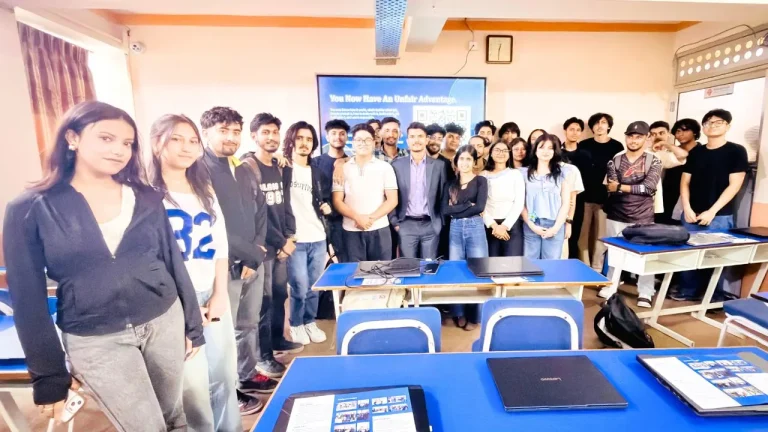
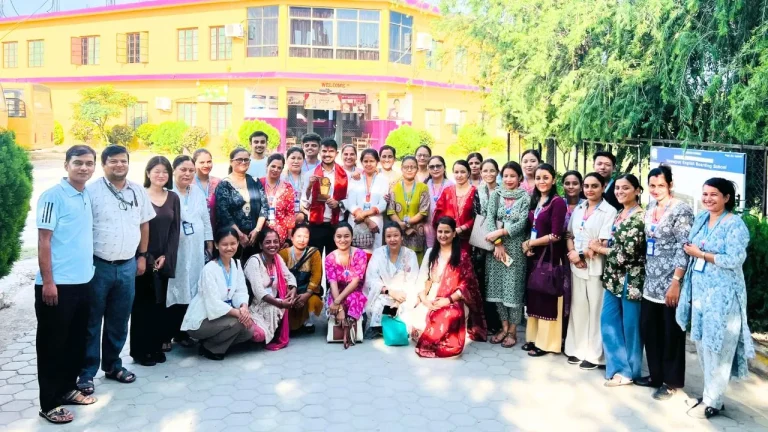
The teacher development session, “Smart Teaching with Digital & AI Tools,” explored digital and AI tools, effective teaching, lesson preparation, and education resources available through Government of Nepal platforms.
The aim was practical: help teachers consider how accessible resources could support their everyday teaching. Digital learning was an important part of that conversation, with AI as one source of assistance within a wider teaching process.
For schools considering AI training for educators, this connection matters. A session should give teachers a way to relate new capabilities to familiar work, such as explaining a topic, reviewing a lesson resource, or preparing a learning activity.
Starting with a Clear Learning Purpose
A useful starting point for lesson preparation is a clear description of what children should be able to understand or do. From there, a teacher can choose an explanation, an activity, and a way to check learning.
That is why curriculum guidance matters. Nepal’s Curriculum Development Centre provides curriculum and teaching references, including the revised Grade 1–3 curriculum. Such references help keep preparation connected to the intended learning outcomes for the relevant grade.
Exploring Digital Resources for Teaching
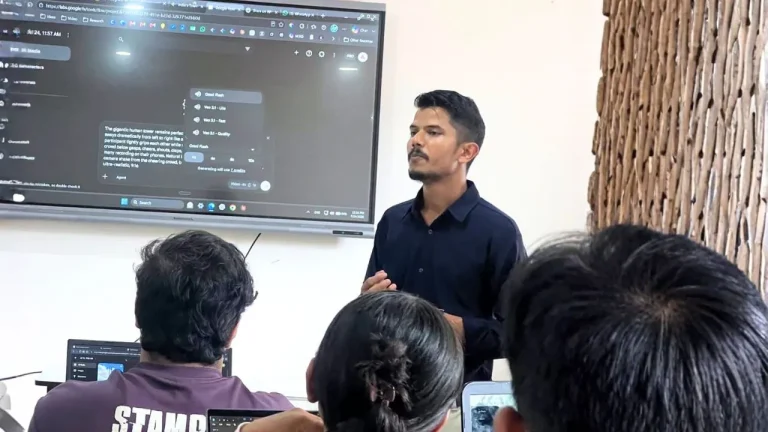
During the session, I demonstrated Government of Nepal education resources and discussed their relevance to teaching. Finding a resource is a starting point. Teachers still need to consider its language, difficulty, accuracy, and connection to the lesson.
A video, picture, or digital activity becomes more useful when the teacher has a plan for what children will do with it. They might answer a question, describe something they noticed, practise a skill, or connect it with an activity away from the screen.
Using AI with Teacher Review
AI can help teachers draft explanations, explore activity ideas, and prepare learning materials. Each output still needs review before classroom use.
The teacher knows the children, the lesson context, and the learning purpose. That knowledge is essential when deciding whether generated content is correct, appropriate, and worth using.
The school shared the workshop announcement on LinkedIn and Instagram.
How Teacher AI Training Can Support Young Learners
The workshop was for teachers. The children remain central to the reason for doing this work.
When a teacher has more ways to prepare a lesson or explain an idea, there is an opportunity to make classroom learning more responsive. A child may benefit from an explanation adapted to their level, a carefully chosen visual, or another chance to practise.
The following are examples of how that connection could work. They illustrate possible classroom applications rather than measured results from this session.
| Teacher preparation | Possible classroom application |
|---|---|
| Draft an alternative explanation and check it against the lesson. | Offer another example when children need a different way to understand the idea. |
| Prepare a short, age-appropriate story with relevant pictures. | Invite children to predict, discuss, and retell parts of the story. |
| Select a digital resource that matches a learning objective. | Connect it with drawing, conversation, movement, or a hands-on task. |
| Prepare a brief question or observation-based learning check. | Notice what children understand and what needs another explanation. |
My earlier experience training teachers at Nawa Jyoti English Boarding School in Butwal also made me think about the wider reach of educator development. Something a teacher finds useful can be adapted across lessons and shared with colleagues.
For young children, that support can happen through teacher-prepared activities and materials. Children can benefit from the teacher’s preparation without needing to operate an AI tool themselves.
Responsible AI in Education: Curriculum and Teacher Judgment
A clear explanation, a conversation, a familiar object, or a physical activity may be the most useful choice for a lesson. Digital resources should earn their place through the learning they support.
This is particularly relevant when working with young children. Teachers need to consider age, language, attention, participation, and opportunities to learn through experience.
AI-generated material also needs checking for factual errors, unsuitable examples, and assumptions that do not fit the local context. Classroom preparation should use sample or non-identifying information rather than children’s personal details.
UNESCO’s AI Competency Framework for Teachers offers a useful reference for the wider discussion. It includes a human-centred mindset, AI ethics, AI pedagogy, and professional learning. These areas reinforce the need to develop educators’ judgment alongside their familiarity with tools.
In my work, I want technology choices to follow the learning purpose and remain under the teacher’s thoughtful direction.
Taking Teacher Professional Development into Classroom Practice
A workshop opens a conversation. What teachers try afterward is where we can begin to understand its practical value.
One approach I would like to encourage is simple: choose a lesson, prepare one resource, review it, try it with the class, and reflect on how children responded.
The questions can stay concrete. Were the instructions clear? Could children explain or demonstrate the idea? Who needed more help? What should change the next time the lesson is taught?
These are useful questions for future follow-through. They also help distinguish interest in a tool from evidence that a teaching approach is helping. Any claim about improved learning would need that further observation and assessment.
Teachers who want to continue exploring can use my AI learning resources as starting points, adapting and checking each idea for their own context.
A Personal Connection to Madhesh and a Wider Commitment
I left the celebration thinking again about the children who had asked whether I was their new teacher. Their question made me reflect on how much a brief interaction can matter to the person receiving it.
Being from Madhesh gives this work a personal connection. I want children in the region, and across Nepal, to have meaningful opportunities to learn, express themselves, and develop their abilities.
Supporting teachers is one practical way I can contribute. So is continuing to improve how I explain, listen, observe, and adapt. I am still learning how to do that well with different audiences and in different settings.
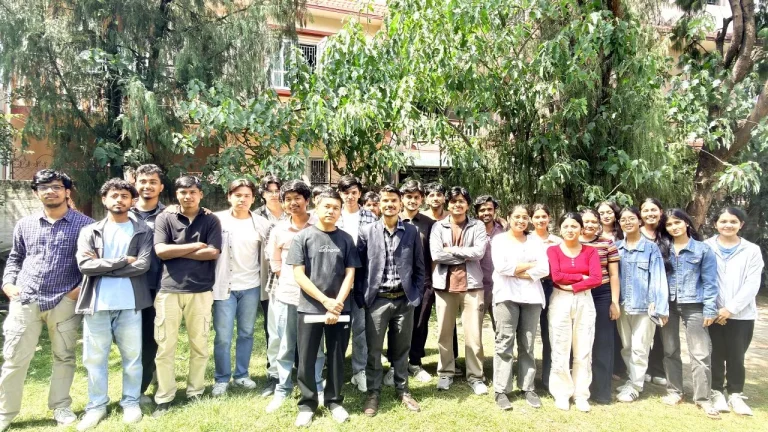
Thank you to Principal Pinky Yadav, Poonam Ma’am, the teaching team, and the students of Ujyalo Yatra Academy for the opportunity to be part of the celebration and learning.
The children’s smiles and creativity gave the day its meaning. My responsibility is to carry that motivation into careful, useful work with the educators supporting them.
Planning an AI Workshop for Teachers in Nepal
If you are comparing options for the best AI training for teachers in Nepal, begin with what your teaching team needs to do afterward. A useful workshop should fit the school’s grades, teachers’ experience, curriculum, available devices, and time for practice.
These are the questions I recommend asking before choosing a teacher development programme:
- Is it relevant to teaching? Look for activities connected to lesson preparation, explanations, classroom resources, or checking understanding.
- Can teachers practise? The format should give participants opportunities to try an approach and ask questions.
- Does it include responsible AI use? Checking accuracy, protecting personal information, and retaining teacher judgment should be part of the learning.
- Will it work with your resources? Consider devices, internet access, language, and the need for printable or offline alternatives.
- Are the expected outputs clear? Agree on realistic takeaways and any follow-up before the session.
Discuss a Workshop for Your Teaching Team
I work with educational institutions on practical AI learning and adoption. If you would like to discuss a similar digital learning or AI session for teachers, share your school’s location, grades taught, approximate participant count, current experience with technology, preferred dates, and the teaching tasks you want to support.
We can then discuss an appropriate scope and format. You can explore my AI training and workshop experiences in Nepal and training and consulting services before getting in touch.
Discuss a Teacher Development Workshop
Related AI Training and Consulting Services
Depending on your wider goals, these services may also be relevant:
- AI content creation training in Nepal for a broader programme covering research, storytelling, and creative production.
- AI adoption consulting for organisations evaluating useful applications, workflows, and adoption priorities.
- Corporate AI training in Nepal for professional teams developing practical workplace AI skills.
Written by Ravindra Yadav, AI educator and AI Curriculum & Digital Learning Advisor at Ujyalo Yatra Academy.